



Cryptoassets have gained notoriety in recent years within the financial system and seem to have consolidated as investment instruments. They are digital assets that can be transferred and stored electronically using distributed ledger technology or other similar technologies. Among them, the best-known group of cryptoassets are cryptocurrencies, such as Bitcoin, Ethereum or Solana, and they constitute the most widespread form of this type of asset.
On this, the Bank of Spain has put numbers to the adoption of digital assets, revealing a phenomenon of concentration: although the general exposure is moderate, for a minority crypto is already the pillar of their savings.
- The context:In 2021, 4.8% of the Spanish population owned cryptoassets.
- The norm:For the majority (80% of households with crypto in 2022), these assets represent less than 10% of their financial portfolio.
- The holding of cryptoassets is more frequent among young men, with a higher level of education and greater financial knowledge.They are considered risk-tolerant, claim to plan their finances and invest in assets such as stocks or investment funds. They do not show rejection of the traditional financial system.
- The exception: 0.6% of the total (approx. 130,000 households) concentrates a substantial part of their wealth in this sector.Given that many current holders of cryptoassets are young people who still live with their parents, it will be necessary to continue observing in the future whether, as these individuals form new households, their relationship with these assets remains or evolves in other directions.
Although cryptoassets have gained visibility in public and financial debate, the data presented by the Bank of Spain confirms that their holding remains relatively limited in the Spanish population and their weight within the financial wealth of households is reduced.
The Rise of Ecosystems like Solana
In this scenario, the market has ceased to be “just Bitcoin”. Digital assets have consolidated as investment instruments that are transferred and stored using distributed ledger technology (blockchain). Within retail portfolios, networks like Solana are gaining significant ground thanks to the vibrancy of its ecosystem, its high speed and its low fees.
For those who closely follow today’s Solana price, the appeal lies in its capacity to host decentralized applications and new assets that dynamize digital savings. Many investors who decide to buy Solana seek to participate in this technological infrastructure that already competes directly with Ethereum in daily activity volume.
The Double-Edged Sword of a Digitalized Wealth
Now, in a global context marked by inflation, economic crises and accelerated digitalization, many people are beginning to take an interest in cryptocurrencies. For example, Bitcoin, due to its trajectory and its level of adoption, has consolidated as the reference point for understanding this new paradigm.
Unlike currencies issued by central banks, Bitcoin functions without a controlling authority. Each transaction is validated through a network of thousands of computers that guarantee the transparency and security of the system.
This decentralized model does not depend on governments or financial entities, which has generated both admiration and debate.
For many users, this system represents a way to regain control over their own money. In fact, for those 130,000 households, crypto is not a one-off bet, but a savings strategy.
- The opportunity. The inclusion of these assets allows access to a financial asset class native to the Internet, with growing global adoption. For many, it means diversifying outside the traditional system and participating directly in the growth of new digital ecosystems.
- The challenge of exposure. However, profitability is never guaranteed. When crypto ceases to be a residual part to become the core of savings, volatility, those sharp price movements common in the sector, impacts directly and proportionally on the total household wealth, potentially altering financial stability in very short periods of time.
Beyond the Price: The Importance of Self-Custody
If the value of your savings depends on a digital asset, protecting access to it is as critical as the market price. This is where self-custody takes on a leading role.
Self-custody consists of exercising total and exclusive control over your digital assets, eliminating the need for intermediaries such as banks or exchange platforms. In this model, you act as your own custodian: by owning the private keys, you ensure that your funds remain under your absolute dominion, regardless of the solvency or operational status of third parties.
In short, only you possess the private keys that control your funds. If you do not have the keys, you are not truly the owner of your assets. This philosophy is often summarized in the famous crypto phrase: “If you don’t have your keys, you don’t have control.”
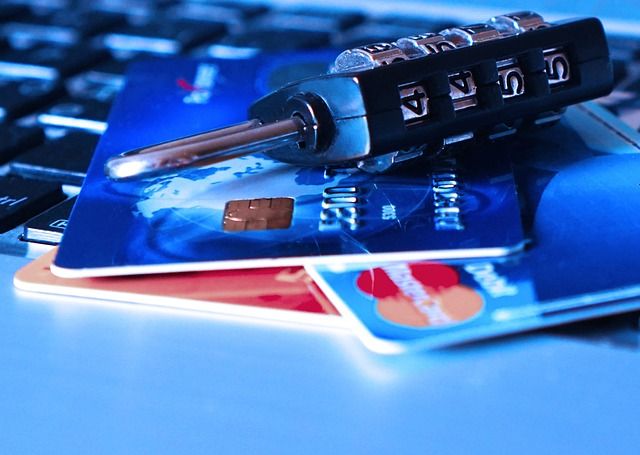
Unlike traditional banking savings, self-custody grants the user total control over their private keys, or seed phrase. It is a direct responsibility: you are your own bank. Solutions like Bitnovo facilitate this self-custody model, allowing the user to maintain real control of their funds without intermediaries, thus closing the circle of responsible digital savings: a balance between opportunity and technical security.
Indeed, being able to buy cryptocurrencies from a reliable platform and store them in a personal wallet is perceived as a gesture of financial independence. It is no longer just about investing, but about participating in a new way of understanding ownership and trust in the digital environment.
To conclude, the change is no longer theoretical: millions of people today use cryptocurrencies as a real tool for exchange, savings and value protection. Understanding their functioning and their philosophy is essential for any citizen who wants to be part of the new digital economy that is already taking shape in the 21st century.