



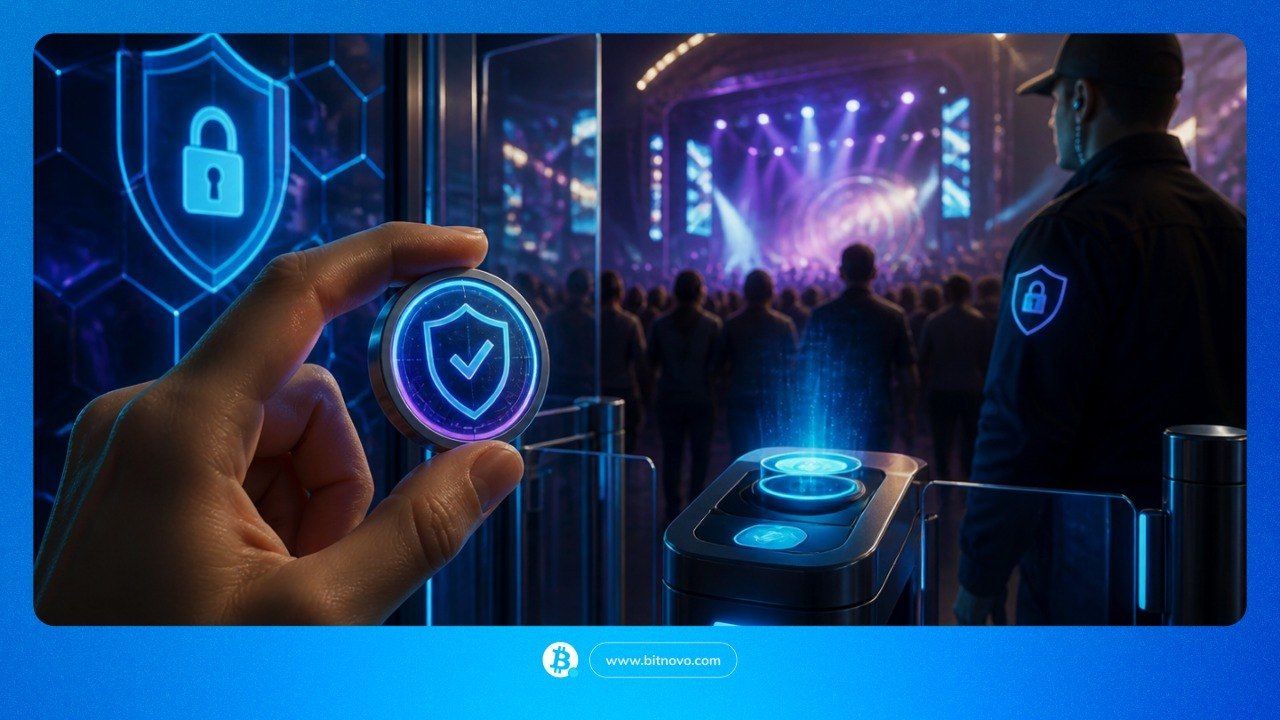
Ticketmaster has been issuing tokenized tickets since 2019 and has accumulated nearly 100 million. This is no longer an experiment: counterfeiting, fraudulent resale, and duplicate codes had been demanding a response for years that traditional infrastructure could never provide.
Before, the ticket was a piece of paper carefully kept in a pocket. Today, a code on your phone is enough. The concert hasn’t changed; what has changed is the way of validating that the seat is yours. That is the essence of Real-World Asset (RWA) tokenization: registering tickets as unique, irreplicable assets on the blockchain.
In markets with soaring demand, such as massive tours like Bad Bunny or Shakira, the industry needs to shield user trust. As Ana María Arroyo, General Director of Ticketmaster Mexico, highlights, the sector maintains enormous strength, and protecting the fan is a priority.
Tokenization solves this challenge at its root:
- Guaranteed security:Each ticket is unique, encrypted, and impossible to duplicate.
- Total transparency:Every transaction and validation is recorded on the blockchain.
- Maximum trust:Programmable resale rules to prevent scams and price gouging.
What Makes a Tokenized Ticket Unique
At first glance, a PDF with a QR code and a tokenized ticket look the same: you open your phone, scan it at the door, and enter. However, internally they are completely different.
We are not facing an “enhanced digital ticket,” but a totally different model. In the traditional system, access control trusts the digital copy you carry, which anyone can duplicate with a screenshot. In the tokenized model, the system does not trust your file; it trusts the public and immutable record of the blockchain, where your ticket’s uniqueness is verified in real time.
|
Feature |
Traditional Ticket (PDF / Static QR) |
Tokenized Ticket (RWA / NFT) |
| Nature of the asset | Ticket in a private database with a printed or on-screen code. | Unique digital asset stored in the user’s crypto wallet. |
| Security and cloning | Easy to replicate: the same QR can be printed or sent N times. | Impossible to duplicate: its cryptographic identifier is unique and irreplicable. |
| Verification | Centralized. If the ticketing server goes down, there is no way to validate. | Decentralized and public. Anyone can verify its authenticity on the blockchain. |
| Resale control | Difficult to trace; prone to price gouging and scams in the black market. | Programmable rules (smart contracts) that limit maximum prices or apply automatic fees. |
| Post-event lifespan | None. An expired PDF left in the downloads folder. | Dynamic. It can evolve into a digital collectible or grant access to future benefits. |
The Ticketmaster Phenomenon: Six Years Issuing Tokenized Tickets
The Ticketmaster phenomenon demonstrates that blockchain technology in the entertainment industry stopped being a theoretical experiment a long time ago. The issuance of nearly 100 million tokenized tickets since 2019 confirms that the use of digital assets is not limited to pilot tests in minority events but is part of an operational infrastructure on a global scale.

The Impact of Massive Scale
When the world’s largest ticket sales operator adopts this model at scale, the strategic impact unfolds across several dimensions:
- Infrastructure validation:Processing tens of millions of tickets on chains like Flow demonstrates that blockchain technology can support the high demand and speed required by massive events without collapsing the user experience.
- Security and traceability:Tokenization allows each ticket to be linked to official accounts, facilitating authenticity verification, combating fraud, and limiting illegal resale by maintaining asset control within the digital ecosystem.
- Business model evolution:A sector giant sustaining this strategy for over six years signals a structural shift. The ticket ceases to be a simple access code and becomes a digital asset with post-event loyalty possibilities (collectibles, exclusive benefits, or access to content).
Impact on the Industry
Ticketmaster’s continued investment has educated the market and driven the sector’s digital transition. By integrating tokenized technology into its regular operations, Ticketmaster has normalized the use of web3 tools for the average consumer, eliminating technical friction. This market maturation opens the way for new players and startups seeking to compete in digital ticketing issuance, finding an audience already accustomed to interacting with tokenized tickets and an industry ready to adopt more secure and transparent standards.
Built-in Rules: Resale, Transfers, and Real Control
Selling tickets through blockchain technology transforms a traditional access ticket into a dynamic and untouchable digital asset. The real revolution lies not only in guaranteeing that a ticket is unique and difficult to counterfeit but in the ability to program automated business rules through smart contracts.
By tokenizing a ticket, the organizer and the artist maintain control over the asset throughout its entire lifecycle, determining what can and cannot be done with it, even after it has been sold.
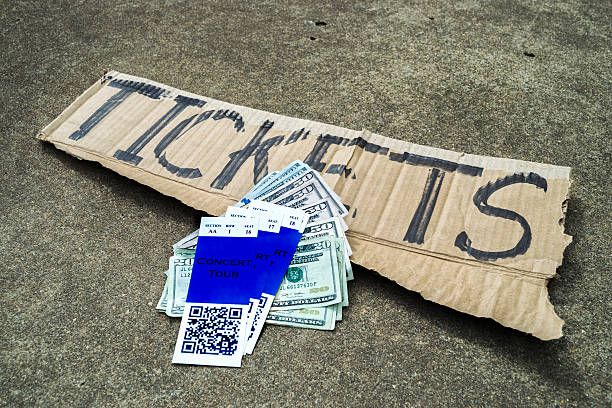
Below are the main capabilities and built-in rules that execute automatically:
|
Rule |
How it works | Organizer impact |
Attendee benefit |
| Resale control | Maximum price caps coded in. | Eliminates abusive speculation. | Fair prices without markups. |
| Automated royalties | A percentage of each resale goes back to the creator. | Generates revenue in the secondary market. | Direct support for the artist. |
| Transfer limits | Date or number of transfer restrictions. | Stops bots and scalpers. | Less ticket hoarding. |
| Automatic refunds | Immediate refund if canceled. | Reduces costs and operational management. | Instant liquidity without paperwork. |
| Anti-fraud and traceability | Unique and unalterable record on the network. | Prevents duplicates and identifies the owner. | Absolute authenticity guarantee. |
New Players in the Technical Layer
In parallel with the advancement of major operators, a new wave of infrastructure designed exclusively for digital ticketing issuance and settlement is emerging. Platforms like TIX, founded by industry veterans and built on the Solana network, are already recording millions in transaction volumes, demonstrating that innovation does not belong to a single player but is accelerating from different fronts of the ecosystem.

For the event attendee, the benefit is direct and immediate without needing to understand the underlying technology. What truly changes the experience is absolute certainty: knowing that the purchased ticket is authentic, unique, and irreplaceable.
This layer of security strengthens trust, protects the user, and consolidates the reputation of organizers. What began as a conceptual experiment has transformed, almost silently, into the invisible infrastructure that sustains the future of live events.
FAQ
- What is a tokenized ticket?It is a digital ticket issued on the blockchain network as a unique asset. Unlike a PDF or a static QR, it cannot be duplicated, counterfeited, or cloned.
- How does tokenization prevent abusive resale and scams?Through smart contracts. Organizers set maximum price caps for resale, limit transfers between users, and guarantee ticket authenticity.
- Do I need cryptocurrency knowledge to use these tickets? The technology works invisibly in the background. The user is presented with a simple experience in their usual ticketing app, without technical friction.
- What happens to the tokenized ticket after the event?It does not expire like a useless file. By being stored on the network, it can become a digital collectible or provide access to future discounts, exclusive content, and artist experiences.