



17 curious facts about Bitcoin on its 17th anniversary
Last updated:
On January 3, 2009, Satoshi Nakamoto mined Bitcoin’s genesis block. Today, January 3, 2026, we celebrate 17 years of a revolution no one could stop. These 17 facts explain why Bitcoin didn’t just survive, but became one of the most disruptive assets in financial history.
The hidden message in the genesis block
The first Bitcoin block has a Times of London headline forever embedded in it: “The Times 03/Jan/2009 Chancellor on brink of second bailout for banks”. It was January 2009, the world faced the worst financial crisis since 1929. While central banks printed money without control to bail out institutions “too big to fail,” Satoshi Nakamoto was creating an alternative—a currency immune to political manipulation.
10,000 BTC for two pizzas (today that would be insane)
On May 22, 2010, Laszlo Hanyecz paid 10,000 BTC for two Papa John’s pizzas. It was Bitcoin’s first commercial transaction. The value of those pizzas today in 2026, with Bitcoin trading around €81,000? Approximately 816€ million. Those were, without a doubt, the most expensive pizzas in history.
The “Satoshi mystery” still hasn’t been solved
Satoshi Nakamoto’s identity remains unconfirmed. And there’s a famous estimate: that he may have mined around 1 million BTC in the early days (the “Patoshi pattern” hypothesis), though it’s not an official number. Today that would be equivalent to €81.6 billion. What’s surprising is that most of those BTC have remained unmoved for years.
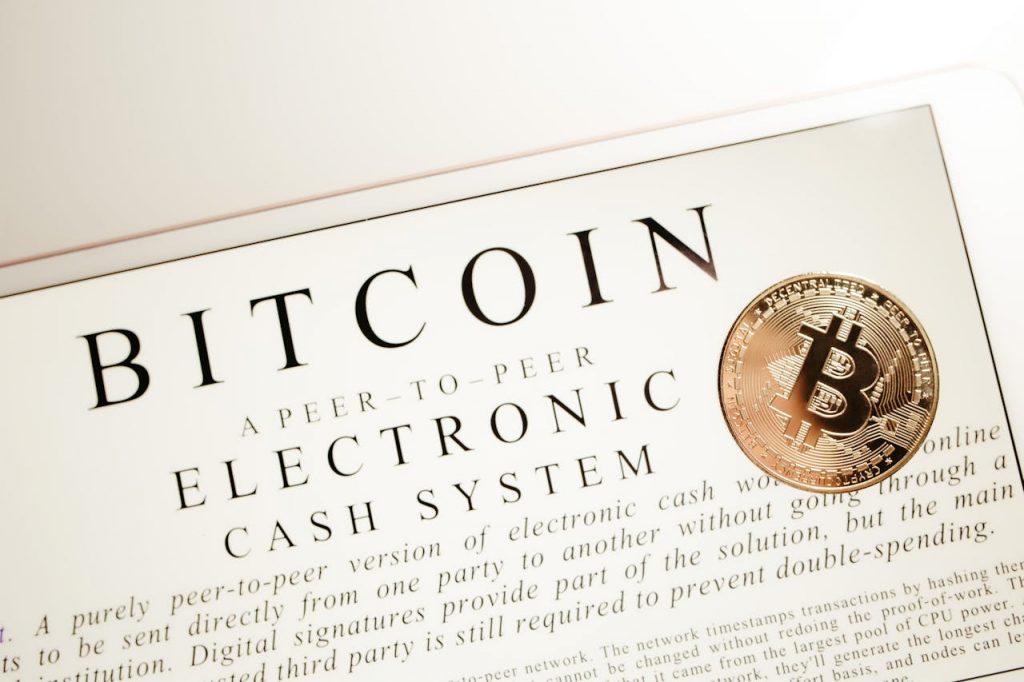
From 0 € to 81,605 €
Bitcoin started with no market value. Its first recorded price was less than 1 cent in 2009. In January 2026, it trades at 81,605.19€. It’s the most spectacular return on investment in modern financial history.
Not “mainstream”… but no longer niche
An estimated 300+ million people worldwide own Bitcoin in 2026. Adoption keeps growing. From being a tech curiosity to becoming a strong global asset.
Renewable energy in mining
Approximately 52% of Bitcoin mining uses renewable energy, mainly hydroelectric and wind power. Miners seek the cheapest energy sources, which are often renewable or surplus energy that would otherwise be wasted.
21 million maximum… and only 1.2 million left to mine
Bitcoin’s protocol limits issuance to 21 million BTC. At the start of 2026, approximately 19.8 million have been mined (94% of the total). Only about 1.2 million remain to be mined, a process that will last until approximately the year 2140. Currently, about 450 BTC are mined daily following the April 2024 halving.
Declared “dead” hundreds of times
Bitcoin has been declared “dead” by media outlets hundreds of times since its creation. It has survived bans, exchange hacks, speculative bubbles, criticism from Nobel Prize-winning economists, and premature obituaries. And it’s still here, stronger than ever.
El Salvador, first country with legal BTC
In September 2021, El Salvador became the first country in the world to adopt Bitcoin as legal tender. Although the law was reformed in 2025, removing the obligation to accept it, El Salvador maintains its bet: in 2026, it holds over 7,500 BTC in strategic reserves (more than 612€ million).
Halvings are the 4-year metronome
Every 210,000 blocks (approximately every 4 years), the reward for mining Bitcoin is cut in half. It started at 50 BTC in 2009, then 25, 12.5, 6.25, and currently 3.125 BTC after the April 2024 halving. This programmed scarcity has generated predictable bull cycles that have catapulted the price after each halving.
Wall street embraces Bitcoin: BlackRock and Fidelity ETFs
In January 2024, the SEC approved the first spot Bitcoin ETFs in the United States. BlackRock (IBIT) and Fidelity lead with over 59€ billion in assets under management. In 2025, BlackRock named its Bitcoin ETF as one of its three main investment themes for 2026, putting it on par with Treasury bonds and tech stocks.
One block approximately every 10 minutes
Bitcoin’s network automatically adjusts its difficulty every two weeks to maintain block creation at approximately 10 minutes. No matter how many miners enter or leave the network, the protocol’s mathematical precision has maintained this constant rhythm since 2009.
Hidden messages in the blockchain
Using the OP_RETURN field, messages can be embedded in Bitcoin’s blockchain. There are registered marriages, love declarations, historical documents, and even works of art inscribed forever in the world’s most secure blockchain.
Lightning network: millions of instant transactions
Lightning Network is a second layer on top of Bitcoin that enables instant transactions with almost no fees. It processes millions of transactions without congesting the main blockchain, making Bitcoin viable for everyday micropayments like buying a coffee.
“HODL” was born from a typo… and became philosophy
In 2013, a drunk user wrote “I AM HODLING” (instead of “holding”) in a forum during a price drop. The typo went viral and HODL (“Hold On for Dear Life”) became the bitcoiners’ philosophy—holding long-term regardless of volatility.
China restricted it several times… and the network kept going
China has “banned” Bitcoin at least seven times between 2013 and 2021. Each time, the market wobbled… and then recovered stronger. Bitcoin’s decentralization makes it resistant to any government. There’s no off switch.
It inspired over 9,000 cryptocurrencies, but Bitcoin remains king
Over 9,000 cryptocurrencies have been born from Bitcoin. Some innovative, others fraudulent. But Bitcoin maintains 59.36% market dominance in 2026—nearly 60%. It’s the safest, most decentralized, and most battle-tested asset in the crypto ecosystem.
From an internet “craze” to reaching €81,605 per unit. Bitcoin has proven it doesn’t need to ask anyone’s permission.
Happy birthday, Bitcoin.