What no one tells you: how banks work (and why we don’t like it)

The advantages are not just about saving more. This is a revolution:
- More democratic networks: Power isn’t in the hands of a few, but distributed among all participants
- More resilient networks: If one node fails, the network keeps running (have you ever seen a bank promise that?)
- More scalable networks: The more users join, the stronger the network becomes
The secret? Total control isn’t concentrated in a single point — it’s equally distributed among everyone. Banks don’t want you to know this because their business model depends on you needing their “permission” to move your money while they use it as they please.
The alternative banks don’t want you to know: The P2P Network
Now you know the problem. You could say you’re a little less ignorant. It’s time to learn about the solution too. What if I told you there’s an “antidote” to the centralized system? You could connect directly with other people, without intermediaries taking a piece of the pie from every move.
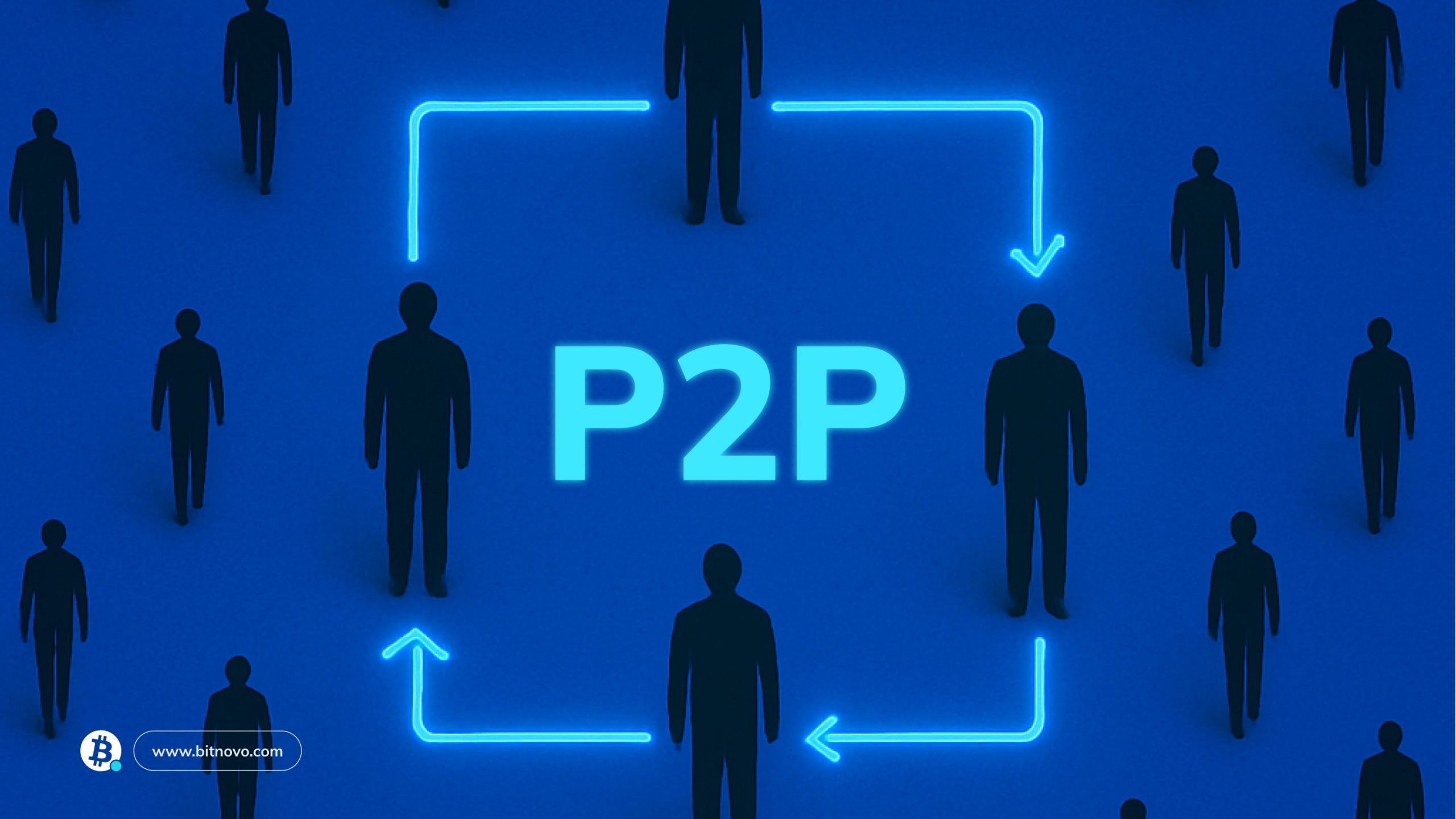
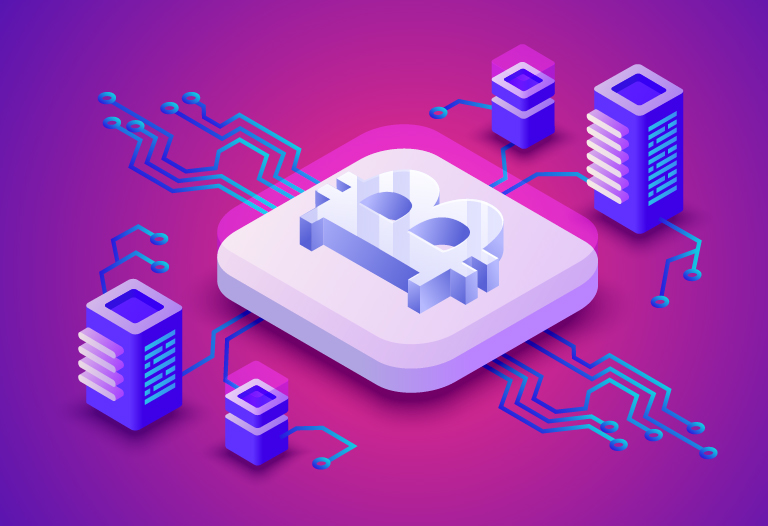
The key is understanding how it works. A peer-to-peer network connects nodes directly. In these networks, each node is both a sender and receiver of data—they’re multitasking. It’s like a one-on-one conversation; you don’t need anyone’s permission to participate.
How does this “digital P2P rebellion” work?
As I was saying, network participants don’t rely on a single data source to exchange information. They simply communicate with each other following a common protocol.
Imagine that instead of calling the bank to make a transfer, your phone connects directly with your friend’s. No intermediaries, no fees, and no banking schedules. Impressive, right? Wake up, because you can do it too.

If you still don’t get it, here’s an even clearer example: if two people use a P2P app to send information, both devices connect directly without going through a central server. Devices can send and receive any amount of information directly, and most importantly, without intermediaries — that’s the key to success.
It’s also true that we’ve given little attention to nodes, but without them, none of this would be possible. They’re the heroes of the movie “Peer-to-peer vs. Fee Thieves.” Each node can share and process information. Some may have different roles (like validating transactions) or simply act as receivers.
We’re all useful here. Each participant becomes part of the solution, not a dependent client. This flexibility is what makes this model so functional.
From Napster to Bitcoin: the story of rule breakers
Just because you opened your eyes yesterday doesn’t mean this technology just appeared. This started decades ago — from the music industry to the financial system itself.
📅 Timeline of a revolution:
🔧 1980s: The Pioneers
- UUCP Protocol: The first machines “rebelled” and communicated directly
- The pioneers already knew there was a better way to do things
🎵 1999: The Musical Revolution
- Napster: Challenged an entire industry that controlled what you could listen to and became the first major P2P sharing network.
- Gnutella and eMule: The rebellion spread
⚡ 2001 – Efficiency
- BitTorrent: Divide and conquer, files split among thousands of users
💰 2008 – The Final Blow
- Bitcoin: Satoshi dropped the ultimate bomb on the financial system
The first value network, without banks, governments, or intermediaries - Ethereum
🚀 Today – The Complete Ecosystem
- DEX, DeFi: From music to digital money, P2P networks are everywhere
More than technology, a way of life: the advantages of decentralization
The typical question when learning something new is always: what’s in it for me? Well, here’s an easy summary so it’s clear:
- Freedom and autonomy: Forget banking hours. No more “sorry, the system is under maintenance.” Decentralization means the end of dependence on third parties deciding when and how you can use your money.
- Total control: Imagine being able to send money anywhere in the world at 3 a.m., without asking permission. That’s real control of your assets and decisions.
- Resilience: Did you know that taking down a P2P network is almost impossible? Banks can “crash” and cut off your access to funds, but a decentralized network keeps running even if thousands of nodes fail.
- Low cost: The biggest advantage is forgetting abusive fees. P2P kicks unnecessary intermediaries out — and with them, their unbearable charges.
Best of all, these networks can adapt to any context. From fully decentralized blockchain networks like Bitcoin to others that need some coordination to improve user experience. As expected, at Bitnovo we believe in this philosophy. We give you the tools so you can have control over your money. Remember: without control, there’s no crypto. Only marketing.
Ready for change? With Bitnovo, you own your money
Today, peer-to-peer networks are more important than ever. They’re no longer just a curiosity or a tech invention. They’re now a key piece of the economy and are changing your life, even if you haven’t noticed yet.
Every time you make a video call, use crypto, or share a file, you’re using this incredible technology that tech giants are trying to push aside.

It’s simple: either you get on the train or stay behind while others take control of their money. Don’t be the last one to wake up.
From Bitcoin to DAOs, to every app you use daily, decentralized networks are no longer optional — they’re a necessity. You can choose whether to keep asking banks for permission to use your own money or stand up and be smarter.
You already know that at Bitnovo we don’t sell fluff. We’re that friend who tells you the truth, even if you don’t like it. You can keep trusting institutions that charge you for breathing, or you can wise up and do things right.