With the arrival of cryptocurrencies, our world is evolving at breakneck speed — and I’m not just talking about the price of Bitcoin, open your mind a bit more. The blockchain ecosystem goes much further and dives into fascinating fields. Among them, the concept of ownership.
If you’re one of those who believes that if something isn’t tangible it doesn’t exist, let me tell you — you’re completely wrong. Imagine your house, a work of art, or even shares turned into something that can live on a blockchain. That’s what tokenizing is about — turning money into your digital superhero.
It’s creating a digital version of a real-world asset — a token that represents ownership rights that you can split, transfer, or sell without going through five intermediaries and paying all of them. Thanks to this, assets that were once inaccessible or hard to move become liquid, transparent, and easy to use in the crypto world.
Is it the same as digitizing? The first myth we’re going to smash
Want a quick answer? Then NO, tokenizing is not the same as digitizing. This confusion is one of the biggest mistakes I keep seeing, and it’s time to clear it up once and for all.
Digitizing is like taking a photo of your 20-euro bill. Now you have an image, but you can’t buy bread with it. Digitization only creates a copy or digital representation of a physical asset.
Tokenization, on the other hand, is like that same bill, but this time with superpowers. Put simply, we transform a real asset into a digital one. Let me repeat: we TRANSFORM it, we don’t make a copy. That new digital asset is recorded in a block and becomes part of the blockchain. Besides creating that digital asset, you add new, impressive, advanced properties:
- Divisibility: You can sell a small piece or fraction of what you tokenize.
- Programmability: You can set automatic rules to transfer that piece.
- Immutable transparency: Every transaction is recorded forever on the blockchain and can’t be modified.
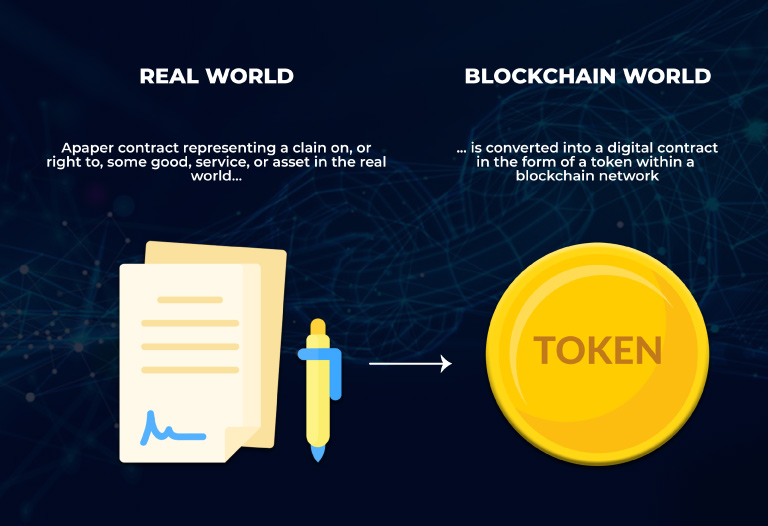
If this doesn’t feel like a real revolution, then only flying cars could impress you now. The key takeaway is understanding the difference. Digitizing only creates a static digital copy. Tokenizing, in contrast, creates a programmable, divisible, and transferable asset that couldn’t otherwise exist.
Tokenizing in a world of fungible and non-fungible assets
If you’re stepping into the world of tokenization, the first thing you need to know is the difference between a token that is fungible and one that is non-fungible. Once you understand this, you’ll see the full potential of this technology.
Fungible Tokens:
Fungible tokens can be exchanged for another of exactly the same kind and value. They have no unique identity and aren’t special. For example, a 5-euro bill always represents 5 euros, and 1 ETH is always 1 ETH. One Bitnovo Coin equals another Bitnovo Coin. That’s it.
Non-Fungible Tokens (NFTs):
NFTs are different. Things change here because they are unique, one-of-a-kind assets that represent a whole. You can’t sell pieces of a Van Gogh painting.
There’s only one authentic Starry Night. Its singular nature gives it value, and any copy would be worth far less. In blockchain terms, it gets even more interesting — it’s much easier to verify authenticity. Every NFT has an unrepeatable digital identity, like a blockchain fingerprint.
When you tokenize non-fungible assets, you attach a secure digital signature that cannot be altered. That signature proves authenticity. What many don’t understand (or haven’t had explained properly) is that NFTs aren’t just pricey images. They can represent real estate titles, academic certificates, licenses, copyrights, and much more. In my humble opinion, that’s pure gold.

OK, But… How Do You Tokenize an Asset?
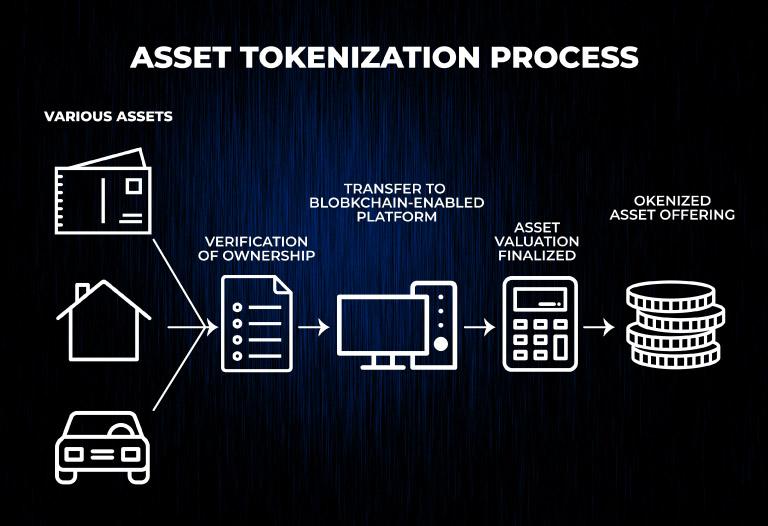
We’re making progress. At least now you understand what a token is — fungible or not. Let’s now see how to create them. I’ll keep it simple and jargon-free because, at Bitnovo, we hate complicating things:
- Step 1: Identify the asset. Don’t go tokenizing your neighbor’s house. Not everything is legally tokenizable. What you choose must be real, have established property rights, and a legal framework supporting it. You can pick a house, a piece of art, a song, whatever you own — but it must be yours.
- Step 2: Choose the blockchain. Tokenization takes place on a blockchain, so you need to pick one. It must support token development — meaning it must handle smart contracts. You can use Ethereum, Solana, Avalanche… there are plenty.
- Step 3: Create a smart contract. Wait — don’t run away yet! It’s not that hard. You’ll just need to define who owns the token, how many there are, transfer terms, etc. Basically, you’re setting the rules of the game.
Disclaimer: Before diving into that blockchain, research its features to make sure what you want in your contract is feasible there. Everything depends on the programming tools available. For example:
- If you use Bitcoin, you’ll work with Bitcoin Script (though I recommend a more flexible blockchain for such tasks).
- If you use Ethereum, you’ll code the contract using Solidity.
- Step 4 (and last): Mint your token. After creating it, record it on the blockchain — like registering a company, but easier and without massive fees. Once you execute the contract, the tokens are “minted” and permanently, transparently recorded.
And why would i want a tokenized asset? What are the benefits?
If you still don’t see why you’d want to tokenize your own asset, I don’t know whether to laugh or cry. You’re being offered a way to turn technology into your ally and leave the old financial system behind:
- Increased liquidity: Say goodbye to spending years trying to sell your house, your car, that pricey painting in Italy, or your new single — whatever it is. Now you can fraction it, sell small parts, send it to China or Canada. Your asset now lives in a global market with thousands of potential buyers.
- Total guaranteed transparency: As mentioned before, all transactions are recorded on the blockchain and can’t be tampered with. No more “lost” invoices or mysterious fees.
Transactions become more transparent and secure. The blockchain holds all the info about who you’re dealing with and their rights.
- Goodbye intermediaries: It’s annoying to keep subtracting commissions just to pay Person A or Person B — or both. That’s history once you use tokenization. You can now transfer assets directly between people. Transactions are faster and cheaper since they’re automated and executed via smart contracts. Fewer intermediaries, lower costs.
- Access to the global market: Tokenization opens a much bigger market. Anyone, anywhere, can buy a fraction of your asset in seconds. Borders fade away, and you gain access to countless potential buyers.
Ready to take control of your finances? Bitnovo is waiting for you.
As you can see, when things depend on you — when you truly have the power — everything changes for the better. That’s why at Bitnovo we believe in self-custody, because “Not your keys, not your Bitcoins.” We know financial education is power, and that’s why we explain these revolutionary technologies without the traditional banking jargon those suit-wearing soldiers use to confuse you.
If you’re ready to stop asking for permission and begin taking control — or you’re tired of abusive fees and endless bureaucracy — open your Bitnovo account right now. Stop saying “I’ll start tomorrow.” Start today.