



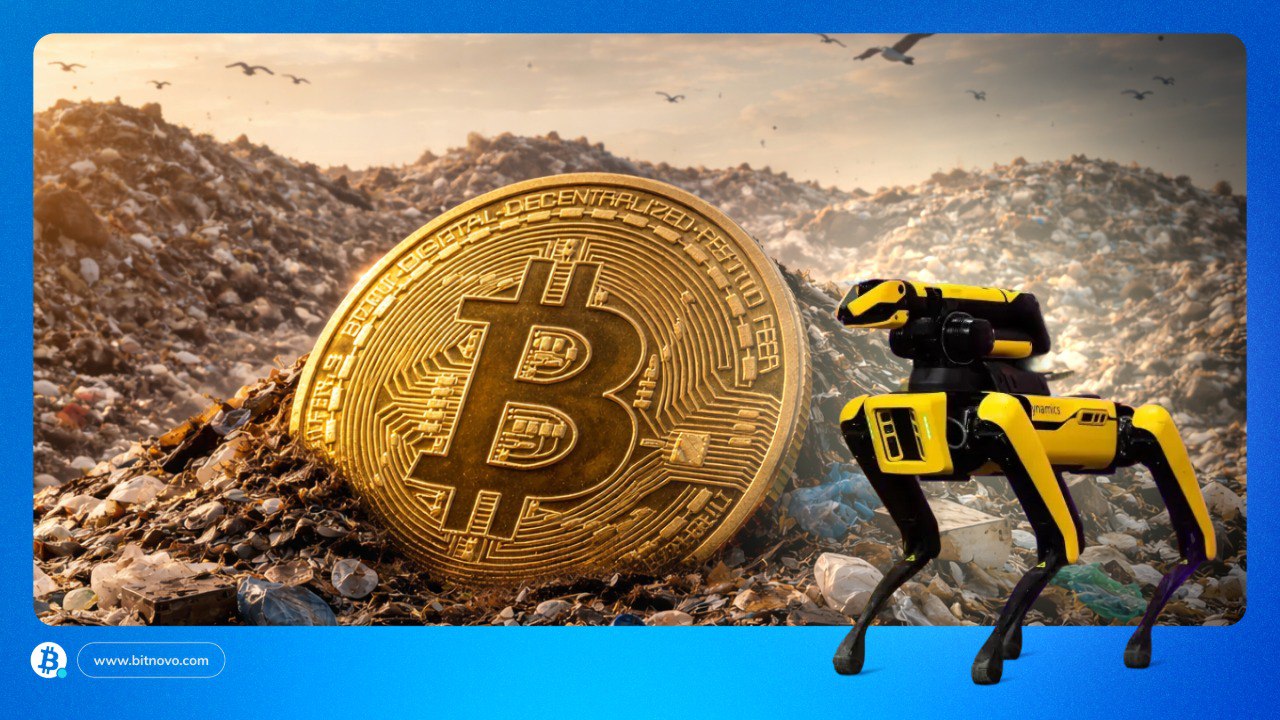
James Howells, the engineer who accidentally discarded a hard drive with 8,000 BTC in 2013, has returned to the charge with a proposal that seems straight out of science fiction. A saga full of lawsuits, advanced recovery plans, a documentary and one of the strangest lost fortunes of the digital age, especially considering the current Bitcoin price.
For example, in January 2025, Judge Keyser of the High Court dismissed his efforts to access the landfill. The Court ruled that there were no «reasonable grounds» to bring the claim and «no realistic prospect» of it succeeding at trial.
To which Howells expressed: «I won’t stop until I recover the hard drive that my ex-girlfriend threw in the trash.»
However, there is still hope, as the ownership of the hard drive was not challenged during the hearing, an important acknowledgment that, according to Howells, will open new avenues for him to monetize his property in the future.
Now, his new plan to recover his 8,000 BTC, includes artificial intelligence, Boston Dynamics robot dogs and advice from experts linked to NASA. This case is not only a media curiosity, but a master class on the technical feasibility of data recovery in extreme conditions and the critical importance of physical security in the crypto world.
How can you lose access to Bitcoin by throwing away a hard drive?
The audacity began in 2013, when James Howells, a resident of Newport, Wales, claimed that his ex-partner threw away the hard drive by mistake, which contained the private key to access a wallet with 8,000 Bitcoin. At that time, the cryptocurrency was still new, its value was modest, and few could have imagined the speed with which it would skyrocket, the Bitcoin against the euro. In fact, if we look at the value of Bitcoin euro today, we understand why this search has become a matter of hundreds of millions.

The disk was sent to a landfill owned by the Newport City Council. By the way, the Council systematically rejected his excavation plans citing environmental and health risks.
The final point came, when a judge at the High Court in Wales ruled against his claim, ruling that the hard drive legally belongs to the municipal landfill and denying any possibility of intervention.
As a curious fact, the BBC states that Howells’ adventures will be adapted by the American production company LEBUL, which has acquired the exclusive rights to develop a documentary series titled «The Buried Bitcoin: The Real Treasure Hunt of James Howells.»

Howells was «excited» about the idea: «I’m excited to finally be able to tell the story in my own words. This is the first time I can really show what we wanted to do at the landfill. I’m not giving up.»
However, Howells is not willing to give up and now believes he has two open options to recover the digital wallet: file a case in the Court of Appeal or work with investors to try to buy the landfill, after the Council announced its intention to close it in the fiscal year 2025-26.
He really risks losing his hard drive forever, as the Council is considering closing the site to build a solar park on the land. A Council spokesperson stated: “The landfill has been in operation since the early 2000s and is coming to the end of its life cycle, so the council is working to plan its closure and capping in the next two years.“

In reality, with the price of Bitcoin in euros reaching all-time highs, Howells’ insistence is understandable: what was once a domestic mistake today represents hundreds of millions of euros buried under tons of waste, which has led the engineer to a decade-long fight against time and bureaucracy.
The new plan: AI, robots and the word «NASA» on the table
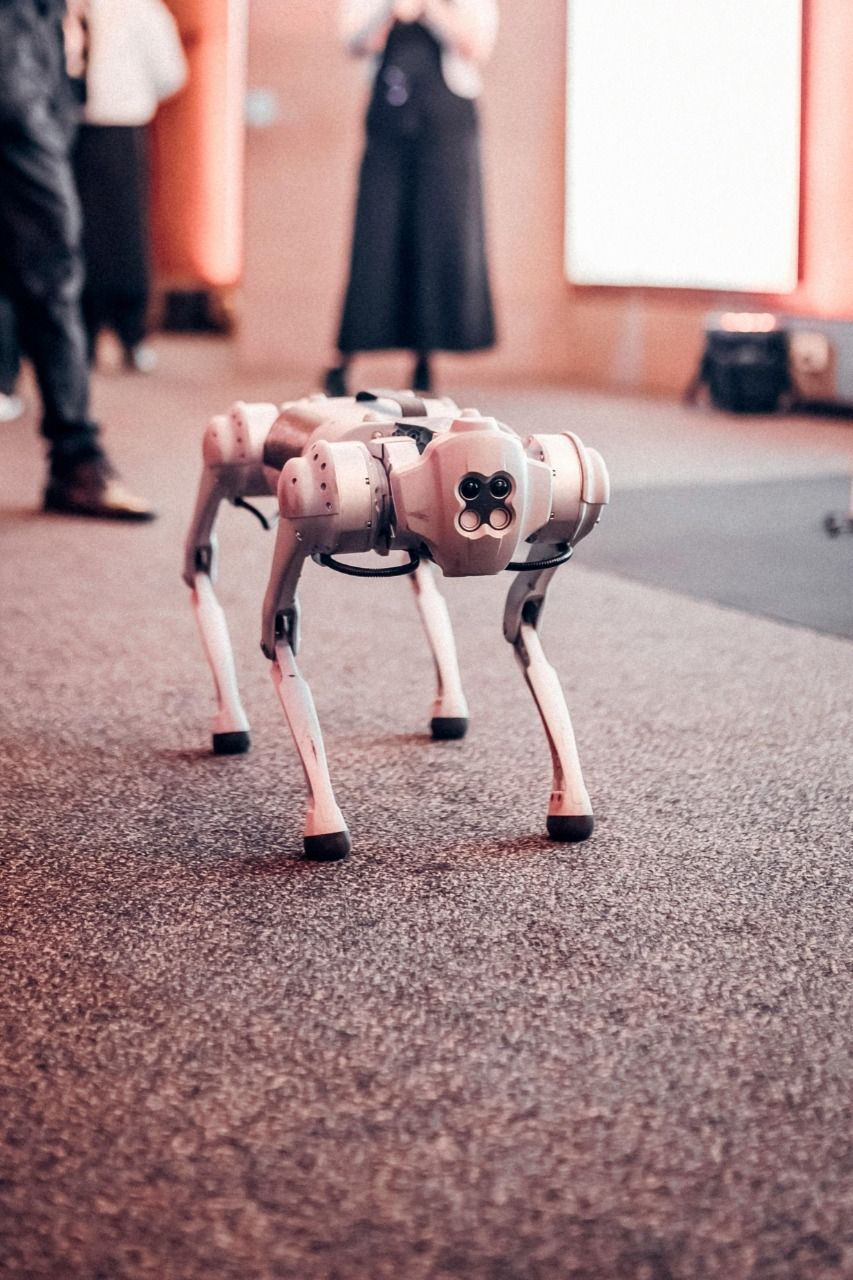
Over the years, James proposed increasingly elaborate recovery plans, which seek to mitigate the human impact on the landfill, ranging from machine learning-based search algorithms to drone surveillance and even robot dogs capable of tracking hard drives using AI.
«We have a system with multiple conveyor belts, X-ray scanning devices and another with artificial intelligence, which would be trained to recognize items that have a size and density similar to the hard drive.»
Specifically, the plan involves the use of artificial intelligence systems to filter waste through optical scanning, training algorithms to recognize electronic devices similar to his lost disk. By invoking standards from institutions like NASA, Howells tries to elevate the seriousness of his proposal, suggesting that the logistics necessary for this «rescue» are comparable to exploration missions in hostile environments.
Ironically, the landfill that was supposed to be a final resting place for waste has become an unintentional vault for digital gold, with its contents sealed forever by bureaucracy and environmental policies.
What could robot dogs bring to a landfill? And what does NASA have to do with it?
In this scenario, the robot dogs would scan, detect metals and patrol the dangerous area. These devices would act as sensory platforms for 3D mapping and nighttime operational safety.
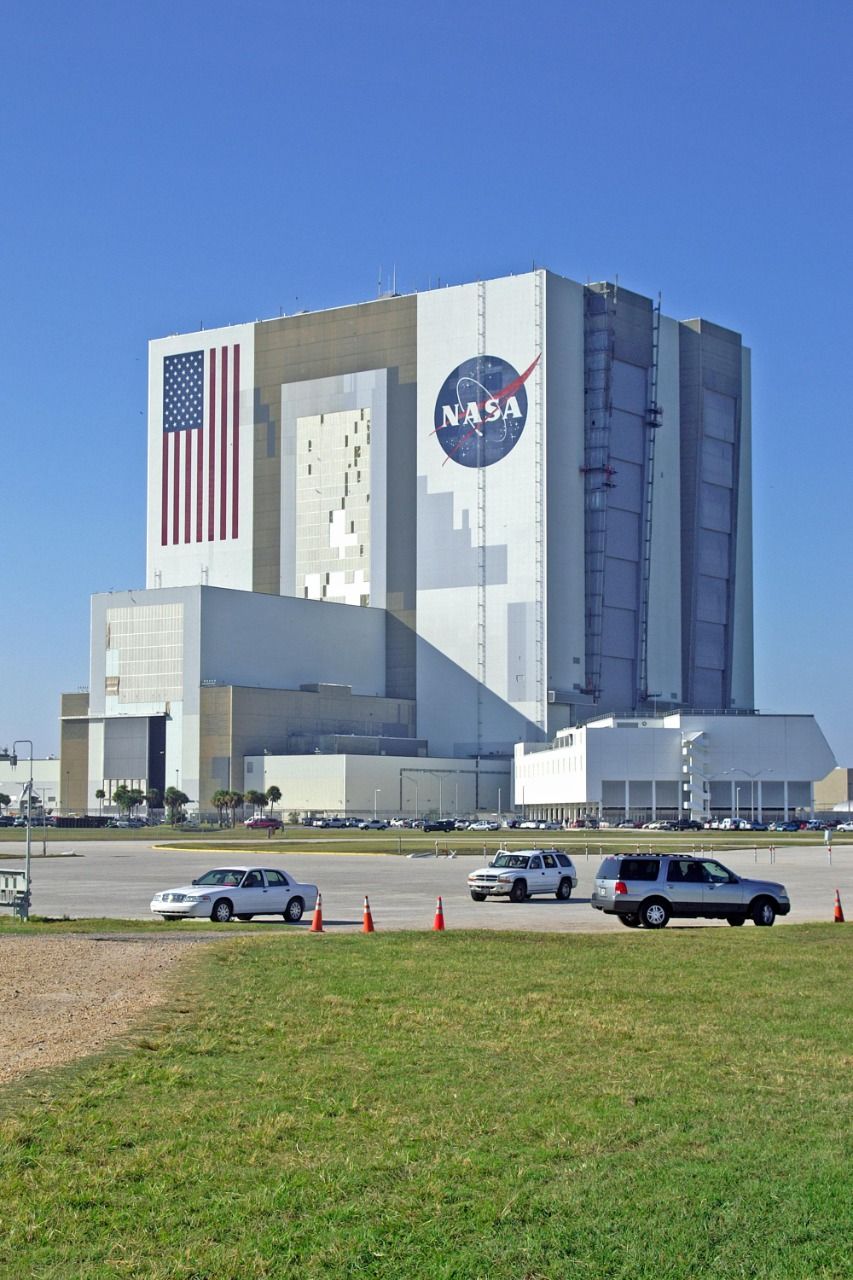
While NASA experts advise on artificial intelligence to classify trash. Focusing on the sensors and precision robotics necessary to operate among tons of garbage. However, it is vital to remember that no space agency can «force» an encrypted wallet or bypass local permit restrictions.
What is working against him? Permits, environment and legal limits
Despite the technological deployment, the project hits an institutional wall. It is not just about having a “good idea” or cutting-edge technology, there are environmental protection laws and operating costs that the local government is not willing to assume for a private search.
|
Category |
Situation / Legal Fact |
Impact and Consequence |
| Legal ownership | Ruling under the Control of Pollution Act (1974). | The judge ruled that waste delivered to the council is the legal property of the municipality. |
| Environmental impact | Removal of 110,000 tons of waste. | Newport City Council blocked the plan due to the “enormous negative impact” on a site at the end of its useful life. |
| Time limits | Six-year legal deadline exceeded. | The lawsuit was dismissed because Howells did not formally act after the loss in 2013, losing his right to claim. |
| Technology vs. Law | Robot dogs and NASA standards. | Although the plan was technically advanced, technology could not overcome legal and environmental restrictions. |
| Situation 2026 | Cessation of legal action. | After exhausting legal avenues, recent reports indicate that Howells has stopped pursuing the search for the drive. |
| Cultural legacy | Documentary series with BBC/LEBUL. | The story ends as a media phenomenon titled “The Buried Bitcoin”. |
Searching for Bitcoin in these conditions is worse than looking for a needle in a haystack. The physical challenge involves removing more than 100,000 tons of waste compacted under conditions of extreme humidity and pressure. Material degradation and lack of traceability after a decade make the chances of success minimal.

Would it be possible to recover the data if the disk appeared?
The case has reignited the debate about the growing number of cryptocurrencies that are lost forever, and it is said that many existing Bitcoins are unrecoverable. This highlights how security and digital custody remain key issues in the era of cryptocurrencies.
|
Critical Factor |
Technical Reality and Risk |
| Physical integrity | Victory is not guaranteed; recovery depends entirely on the state of the internal magnetic platters. |
| Chemical corrosion | Leachate (toxic liquids from the landfill) may have destroyed the disk surface after years of exposure. |
| Mechanical pressure | The tons of garbage accumulated on the device increase the risk of physical deformation of the hardware. |
| Forensic recovery | Accessing the data is a technical challenge independent of the market value (Bitcoin/Euro) ; the hardware must be functional. |
As this case teaches us well, that the price of Bitcoin against the euro goes up does not reduce the difficulty of the technical problem. The real challenge was always twofold: regain legal access and ensure the hardware survived the environment.
The lesson for any investor is that digital custody must be infallible from day one, as the passage of time in a hostile environment turns any storage device into a useless object.

What this news teaches anyone who has crypto
However, unlike traditional bank accounts, there is no way to reset a password or contact customer service. In the world of cryptocurrencies, ownership equals access. Without the private key stored on the lost hard drive, the coins are inaccessible forever, like a safe without a combination, buried in a mountain.
This chilling reality highlights one of the fundamental principles and the most significant risks of decentralized finance. Bitcoin is designed to be trustless and irreversible. This means that no government, company or developer can help James recover his wallet. The blockchain does not forgive mistakes. This lesson has been costly.
The story of James Howells offers some important reflections for anyone involved in cryptocurrencies today:
|
Concept |
Reality in Cryptocurrencies |
Strategic Recommendation |
| Access is ownership | There is no «reset password.» Without the private key, the coins are inaccessible forever. | Physical security: Engrave your seed phrase in metal to resist fire and flooding. |
| Irreversibility | The blockchain does not forgive mistakes, no government or company can recover a lost wallet. | Redundancy: Create at least two exact copies and store them in different geographical locations. |
| Digital custody | Storing phrases in the cloud, photos, or phone notes is a critical security risk. | Offline Storage: Keep your recovery phrases off any internet-connected device. |
| Hardware Management | Hardware degrades and disposal mistakes are final. | Exit protocol: Double-check any old equipment before selling or throwing it away. |
| Planning | Responsibility is individual and there is no central authority to protect against one’s own mistakes. | Emergency plan: Define a protocol so your funds are accessible if you are not around. |

With 8,000 Bitcoin locked away, James Howells lives in a strange limbo: technically richer than imaginable, but unable to access a single cent of his digital fortune. His stumble is not just a story of accidental loss; it has become one of the most famous and talked-about incidents in the world of cryptocurrencies. Reminding us that, although they say «he who perseveres, wins,» in the blockchain, perseverance requires, above all, foresight.
After years of legal battles, Howells launched a passionate message: «To all the senior and prominent guards who have blocked me for over ten years: you can close the door! You can control the court! But you cannot stop the blockchain! Cryptocurrency has won!» A statement of principles that, although it does not return his funds, reaffirms the immutability of the technology we defend.
At the end of the day, this case leaves us with a powerful lesson: technology can do a lot, but it cannot replace good custody. In a world where you are the sole owner of your financial future, security is not a process that can be delegated or a door that can be forced. At Bitnovo we know that true success is not just buying crypto, but having the peace of mind that they will always be under your control. Because if you don’t have your keys, you don’t have your Bitcoin.