




You’ve surely asked yourself this question. And it’s logical: Bitcoin is the asset with the highest unit value on the market, and those figures spark constant curiosity. But who decides that price?
The first thing you should know is that there is no central bank or company pulling the strings like a puppet. Unlike traditional money, Bitcoin’s value is born from consensus and utility: it is worth what it is worth because thousands of people around the world trust its technology.
It is a concept similar to gold or the dollar, but with a key difference: its price moves by the pure law of supply and demand. That is why it is common to see 15% rises or 10% corrections within days.
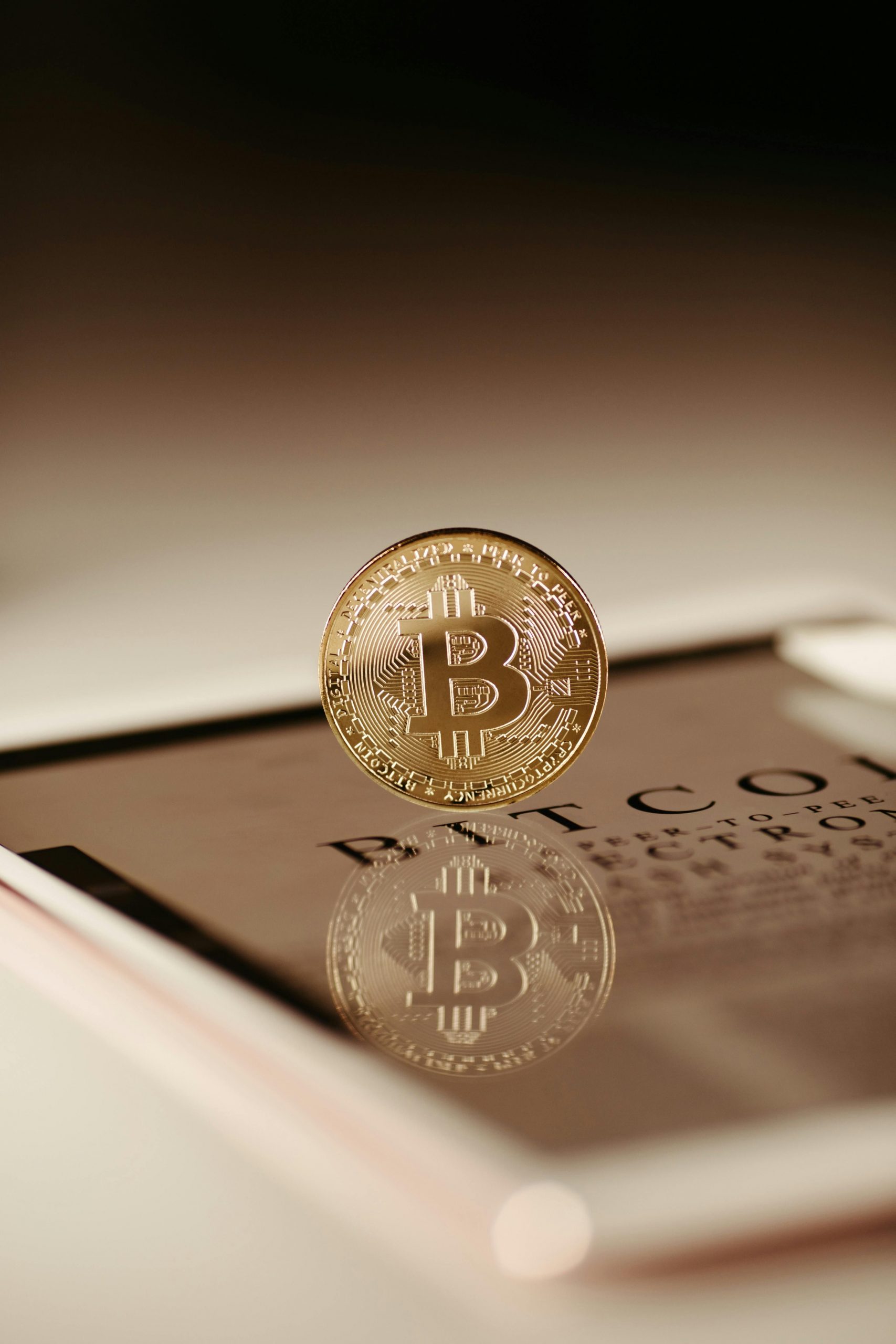
Why does Bitcoin have value?
Before diving into the movements of its price, it is essential to understand what makes Bitcoin such a special asset. Its value is not accidental; it is the result of a perfect combination of technology, mathematics, and global trust.
Unlike traditional currencies, Bitcoin’s value is built on three fundamental pillars that separate it from any other asset:
- Programmed scarcity: Bitcoin was designed to be a limited asset. Only 21 million units will ever exist, a rule etched into its code that no one can change. Being finite, it becomes a deflationary asset by design: while fiat money can be printed without limits, Bitcoin maintains its integrity.
- Decentralization: No government, central bank, or company has control. Bitcoin operates thanks to a global network of thousands of nodes, making it resistant to censorship and arbitrary decisionsby a single entity.
- Cryptographic security: Its blockchain technology is considered one of the most secure systems ever createdto transfer value.
Many experts frequently compare it to gold, referring to Bitcoin as “digital gold.” Like the precious metal, it is difficult to obtain (through mining) and its supply is scarce. However, Bitcoin improves upon gold’s properties by being much easier to transport, divide, and verify instantly anywhere in the world.
In short, Bitcoin has value because it offers a real solution to the problems of traditional financial systems. It is a network that becomes more useful as more people use it, combining the security of a store of value with the agility of the digital age.
Supply and demand: the mechanism behind the price
In the Bitcoin market, the rule is simple: the price rises when more people want to buy than sell. It is the law of supply and demand in its purest form, but with a unique technological twist.
Unlike traditional money, which can be printed without limits, Bitcoin’s supply is predictable and finite. A key event in this ecosystem is the halving, which occurs every four years and cuts the issuance of new bitcoins in half. This means that while demand can skyrocket due to interest from companies like Strategy or institutional adoption, the number of new coins entering the market is increasingly smaller.
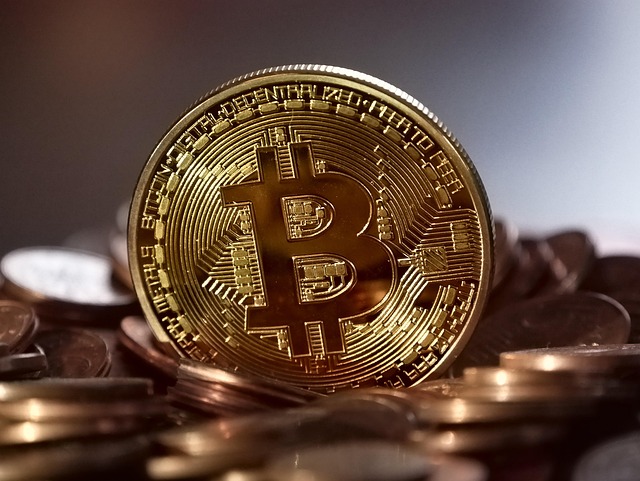
This natural imbalance between a code-limited supply and a variable demand, influenced by news, sentiment, and macroeconomic factors, is the main cause of movements in its price.
The cost of mining one Bitcoin
Producing a Bitcoin does not happen by magic; it entails a real and tangible cost in high-consumption electricity and specialized hardware. This operating expense is fundamental, as it establishes what many analysts call a psychological floor in the market price.
For the network to keep functioning, miners need Bitcoin’s value to be higher than what it costs them to produce it. If the price falls below that mining cost, activity slows down, causing a contraction in the supply of new coins.
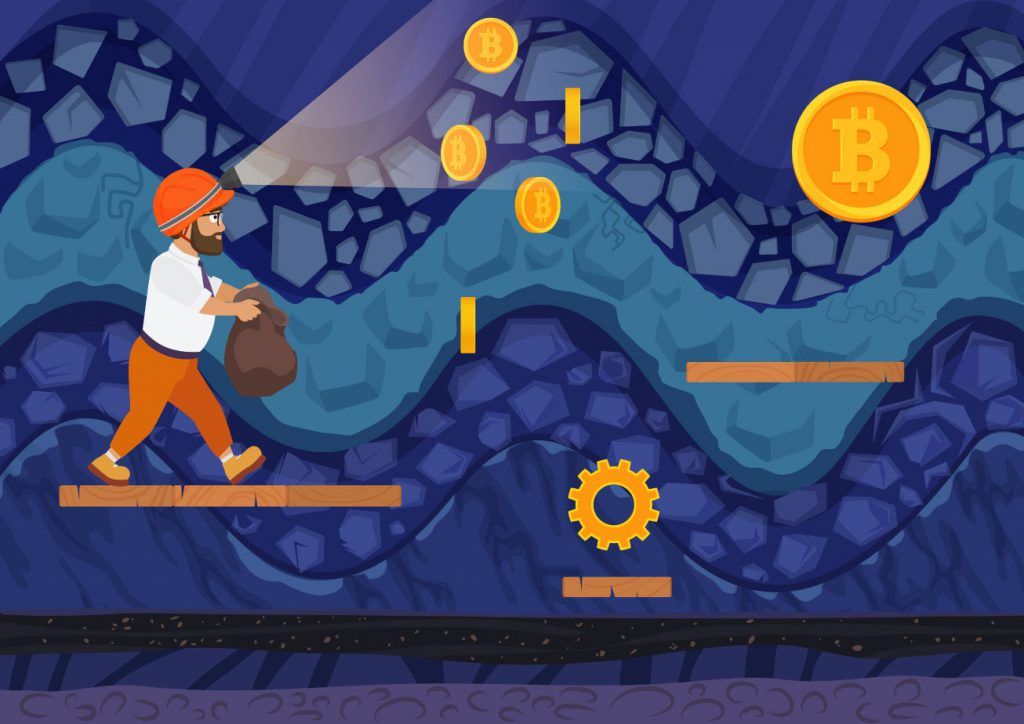
This process is not negative; rather, it acts as a natural stabilizer. In the long term, this balance ensures that the price tends to reflect the effort and resources needed to keep the network secure, providing a solid value foundation for the ecosystem.
Regulation and institutional adoption
Bitcoin’s landscape has changed radically: it is no longer just a technology for enthusiasts, but a key asset for major financial players. The entry of global-scale companies and the backing of institutional investors bring liquidity and legitimacy that directly impact its price.
A recent and decisive milestone has been the approval of Bitcoin ETFs in the United States. This step has opened the doors for pension funds and large portfolios to invest in a regulated manner, consolidating Bitcoin as a fundamental piece of the modern financial system.
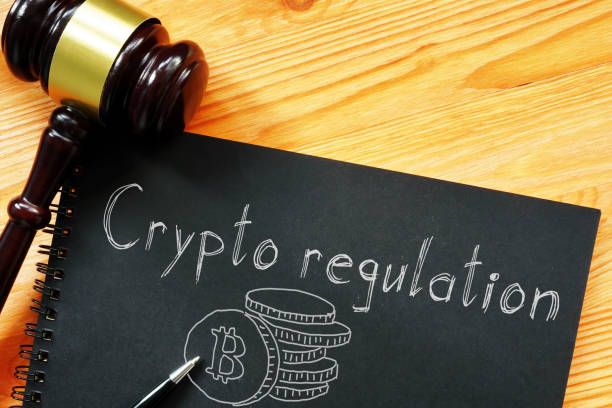
However, the road does not end here. Although adoption is growing, the regulatory framework remains the factor with the greatest ability to influence price in the short term. Each step toward clearer and more favorable laws reduces uncertainty, making it easier for more and more institutions to take the definitive step into the crypto ecosystem.
Historical evolution of Bitcoin’s price
If Bitcoin’s history teaches us anything, it is that after volatility, the underlying trend reflects ever-greater adoption. A key detail: each cycle has left a “floor” or minimum price higher than the previous one, showing that the ecosystem is increasingly solid.
|
Year / Period |
Main Milestone | Market Context |
Approx. Price |
| 2017 | First major bullish cycle | The world discovers Bitcoin, huge media attention and initial adoption. | ~€18,500 |
| 2018-2019 | The “Crypto Winter” | Correction after euphoria, period of consolidation and market cleansing. | ~€2,900 |
| 2020-2021 | Pandemic highs | Massive institutional interest and Bitcoin as a hedge against global inflation. | ~€63,000 |
| 2022 | Adjustment and macroeconomics | Interest rate hikes, a challenging year for the entire financial sector. | ~€14,200 |
| 2024 | ETF Era | ETF approval in the US and arrival of the fourth Halving. | ~€67,000 |
| 2025-Today | New All-Time High | Consolidation as a reserve asset and massive entry of institutional capital. | €102,700 |
The most interesting thing about this table is not just the peaks, but how the minimum price of each drop has always been higher than in the previous cycle. It is the clearest sign that trust in the technology continues to grow.
Volatility: why the price fluctuates so much
If anything defines Bitcoin’s day-to-day, it is its volatility. Unlike century-old assets, Bitcoin is still a young market, making it much more sensitive to investor sentiment and breaking news.

In this ecosystem, it is common to see how emotions amplify price movements through two well-known behaviors:
- FOMO: Fear of missing out on a rise causes many to buy impulsively, accelerating bullish peaks.
- FUD: Fear, uncertainty, and doubt generated by negative news or rumors can trigger massive sell-offs and rapid declines.
Being a smaller market than gold or major stock exchanges, any large-volume trade has a greater impact. However, the good news is that this volatility tends to moderate as adoption grows, and more institutional investors come in, bringing greater stability and liquidity to the system.
Finally, although Bitcoin has matured extraordinarily well in its 17 years of life, it remains an asset that rewards those who have a clear strategy and understand its fundamentals. Bitcoin’s journey is just beginning, and its ability to redefine the concept of money is, without a doubt, its greatest value.